
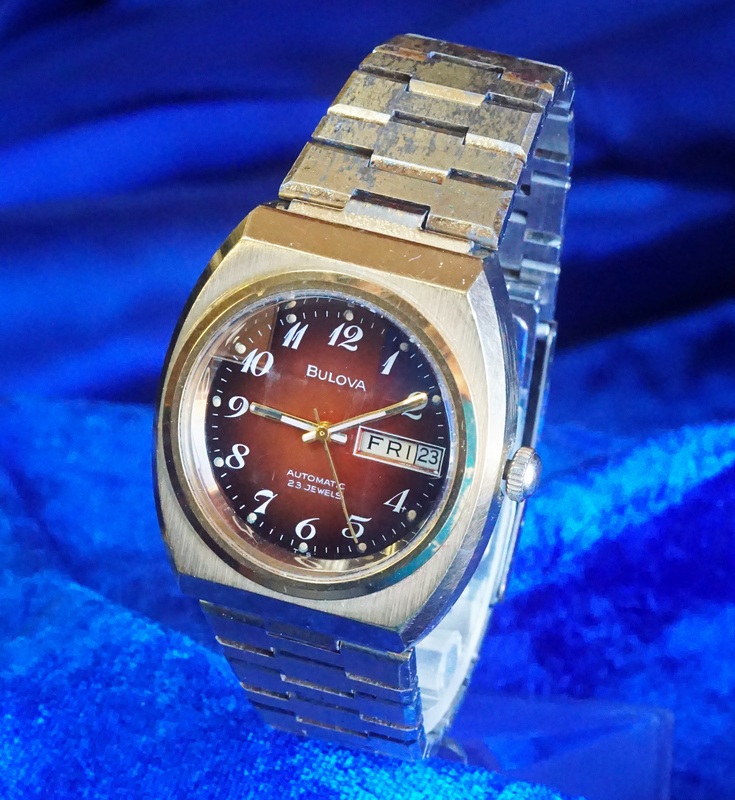
Bulova 23 Jewel Automatic 11AOACB GP SN:H927737 N4 reference 3432
Case Dimensions and features:
Width w/o Crown: 35.70 mm
Length: 40.20 mm
Depth: 10.65 mm wo/crystal, 11.90 mm w/crystal
Lug Width: 19.30 mm, hidden
Crystal: 28.45 mm Dia, in bezel. Pented Acrylic, segmented into nine facets
Crown: 5.45Dia mm, unsigned
Case Back: 30.45Dia mm
Case Back thread O.D.: 30.475Dia mm
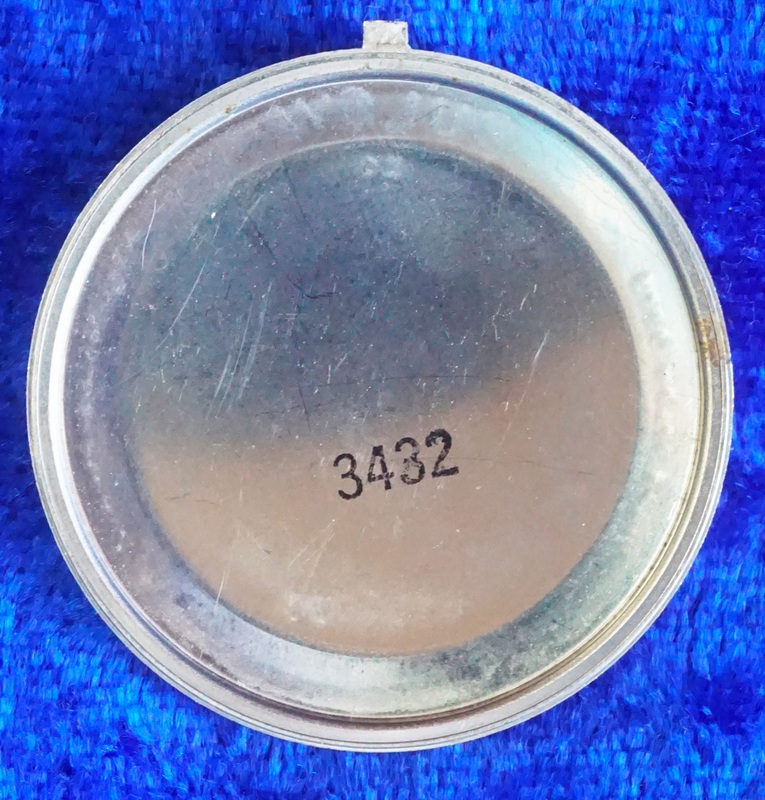
Inside case back inscriptions: 3432, in ink.
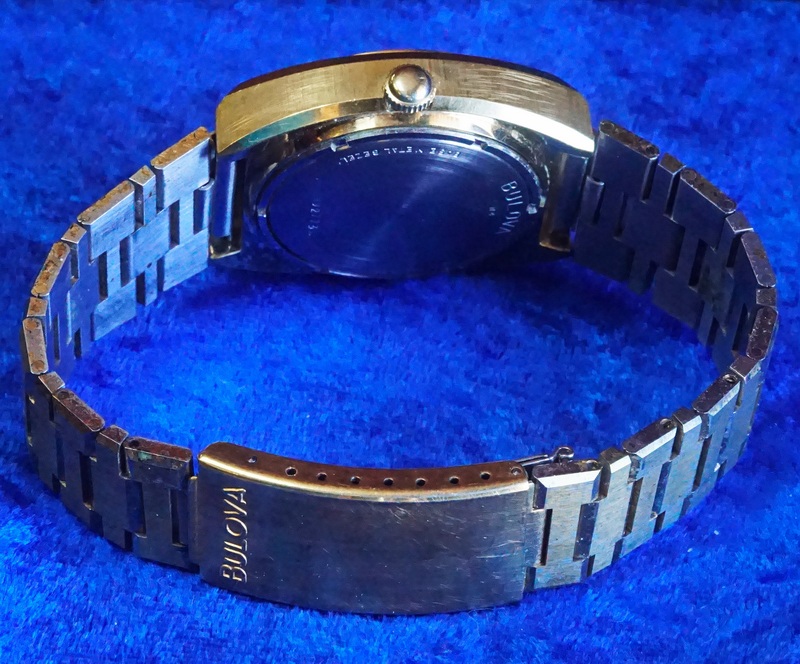
Engraving on outside case back: BULOVA; N4; Base Metal Bezel; H927737; Stainless Steel Back
Movement:
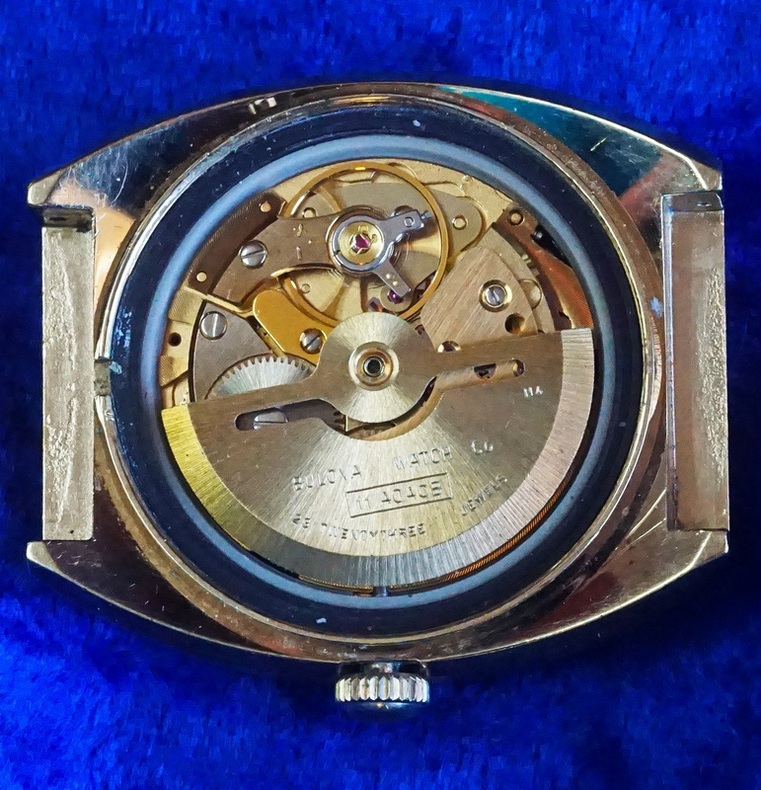
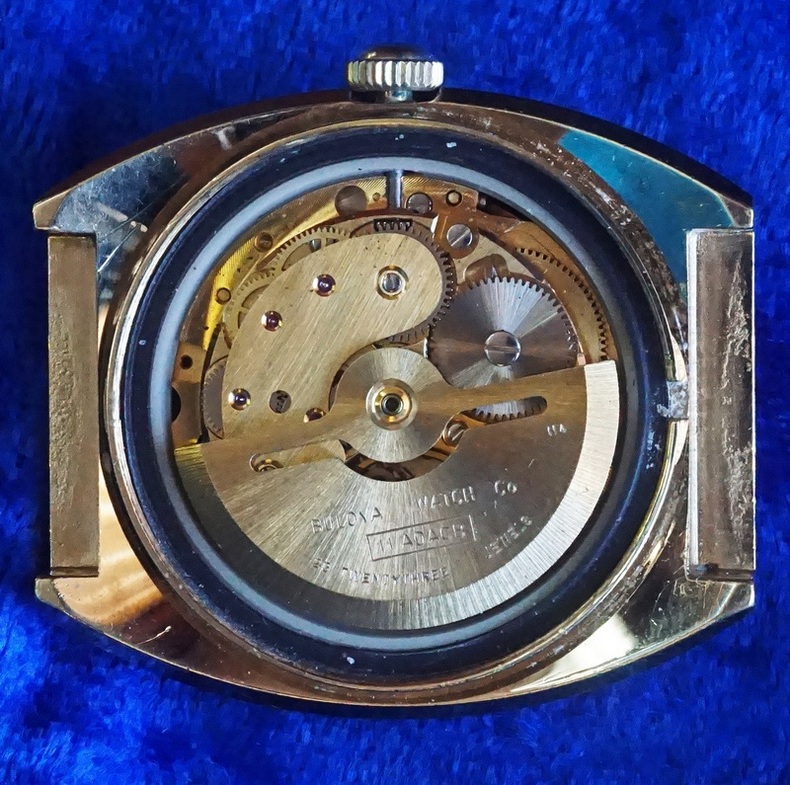
11AOACB Automatic 23 Jewel
Engraving on Movement: On Rotor: BULOVA WATCH CO; 11AOACB; N4; 23 Twenty Three Jewels. Under Balance Wheel: 64
Notes: I started collecting Bulova because of an interest in their place in American watchmaking. Naturally, this motivated me to mostly acquire 1950-60 models. That often meant that 30-33mm case widths were common. While I loved the watches, I did not wear them that much due to my 8.5 inch wrist. I had mostly ignored the 70s Bulovas. But stumbling on a few of them in the wild I realized that generally they were of sizes more appropriate for my large bones, and also had interesting designs. So over the last year or so I have picked up a few examples I thought were attractive. I will periodically share what I have found.
One thing I noticed about this movement is that it did not have an import code, or a stamp indicating country of origin. I do not recognize the caliber in this watch, but I would not be surprised if it was an early collaboration with Citizen. It is interesting in that the day-date function operates the same as the Omega cal. 750-752: The date changes after midnight by pulling the crown out to maximum, and the day only changes when the watch has completed 24 hours.
What is different with the Bulova is that to advance another day you have to return the crown two clicks, past the time setting notch, to the winding position, and then pull out two notches again to advance. With the Omega you only have to return one notch to the time-setting position, and then advance another date by pulling a single stop to the outer position. It is slightly faster.
I really enjoyed receiving this with the original bracelet. The gold plating is in sorry shape, but I am considering stripping and re-plating it.


.jpg)

In reply to After much digging, I found… by neetstuf-4-u

I'm also a big fan of the 1970's Bulova's and those are where my main collecting interest lies. They really had some great designs and it's no surprise that their current 'Legacy' series revived some of the classic '70's models.
The 11AOACB and the 11ANACB were both heavily used in their 1970's models. They were actually in-house movements with the 11AOACB being, I believe, Bulova's last in-house movement they produced. While I appreciate the inclusion of the quickset in the 11AOACB I have to admit I'm not a huge fan of the design. I have, on a number of occasions, pulled the crown out to set the time only to go a tad too far and advance the date one past the current date. Then it requires pulling the crown out 30 more times to correct. Not fun and it puts a lot of wear and tear on the keyless works. But, I guess it's better than not having a quickset at all.
In reply to I'm also a big fan of the… by GuyMontag
Hi Guy,
That is helpful information. I was wondering if it may have been in-house. Very possibly most Bulova production was being done by the Swiss by 1974, as this does have "Swiss" at the bottom of the dial, with the tritium "T" on each side. If this was a Euro watch, then the lack of an import code makes sense. I do believe that those codes were no longer required at some point, but not sure when. Your comment about the quick-set made me laugh, as I have done the same thing with the Omega 751, and also numerous times with the "date" Omega cal. 565. The routine with the Schild and ETA quick-set has proved to be the most effective.
Thank you for the data.
jimmy
In reply to Hi Guy, That is helpful… by gmmy775

In reply to 12016-2Y looks to be a good… by Andersok
Hi Andersook,
I cannot tell if the crytsal is original, but there is an identical watch at "you know where" and it also has that crystal. I have seen similar crystals on another Bulova, or two. In particular, a 1977 Jet Star I own. They take a beating at the facet junctures. I have polished this one, and it looks fairly attractive, and easier to read. My watchmaker will appreciate the info on the cannon pinion problems.
jimmy
